Food and Beverage Packaging Made for Real Products
Food and Beverage Packaging has to perform from the moment a product is packed until it reaches the customer. The right box should fit the item properly, support its presentation, provide useful space for branding, and suit the conditions in which the product will be handled.
Now Custom Boxes creates packaging according to your product dimensions, quantity, artwork, material preference, and box style. From bakery items and restaurant packaging to packaged foods and beverage products, the structure can be planned around what you actually need to pack.
Different Foods Need Different Packaging
A cookie, burger, cereal product, cake slice, and beverage item do not have the same packaging requirements. This is why choosing a box simply because it looks attractive is not enough.
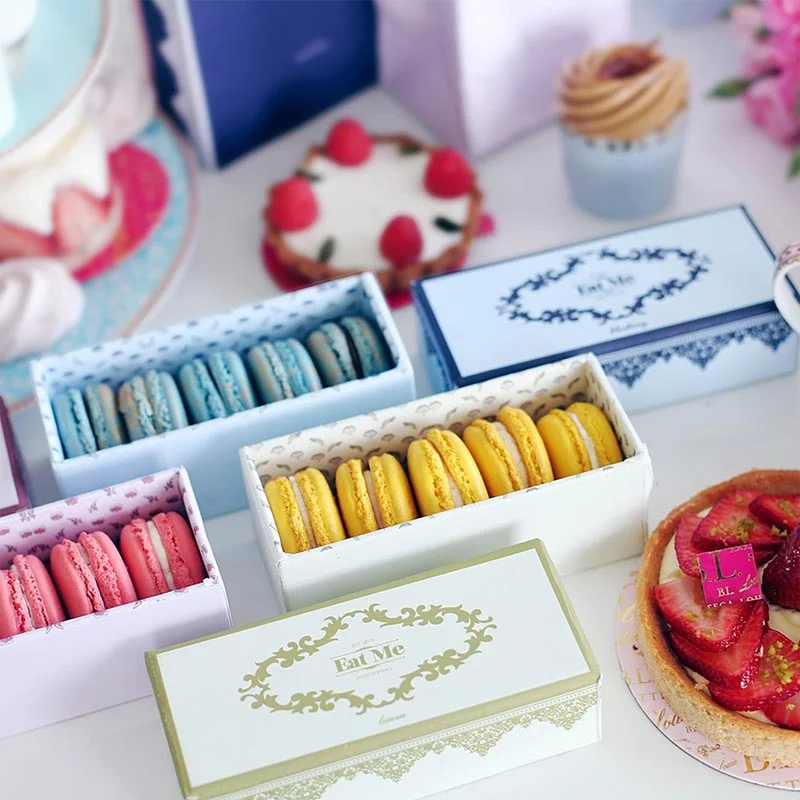
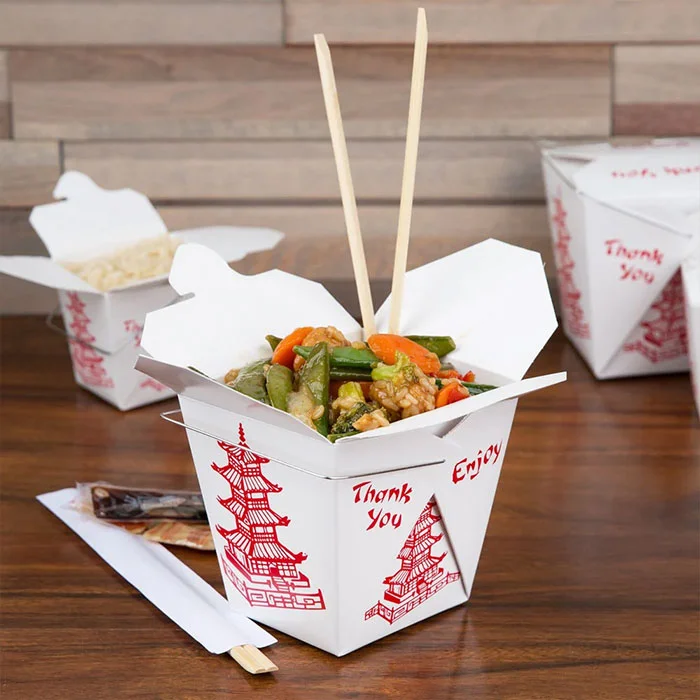
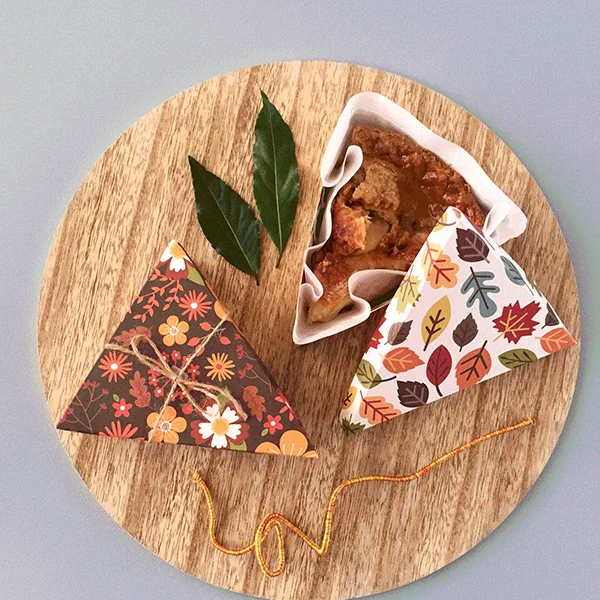
Bakery products may need packaging that provides room without putting unnecessary pressure on the food. Takeaway items may require structures that are convenient to handle. Dry retail products may need cartons with enough printable space for branding and product information.
Before selecting a structure, consider the product dimensions, weight, serving format, storage conditions, and how customers will receive it.
Get the Dimensions Right Before Printing
Correct sizing can improve both presentation and material efficiency. An oversized package may leave unnecessary empty space, while a box that is too small can make packing difficult.
Custom dimensions allow the length, width, and depth to be developed around the actual product. Inserts or dividers can also be considered when several items need to remain separated or organized inside one package.
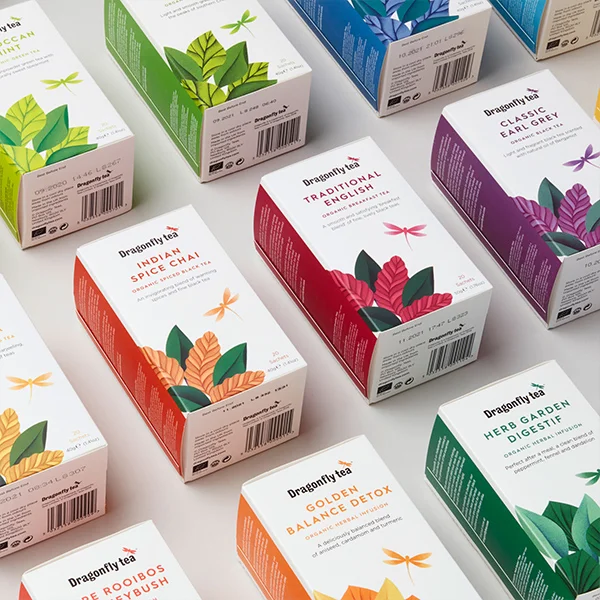
For brands selling multiple sizes, related packaging can be created with consistent design elements so the complete product range still looks connected.
Think About Grease, Moisture and Handling
Food products create packaging challenges that ordinary retail items may not have. Some foods contain oils or moisture, while others may be packed warm, refrigerated, frozen, or stored at room temperature.
The intended use should therefore be considered before choosing packaging materials or coatings. A package designed for a dry bakery item may have different requirements from packaging intended for food containing surface oils or moisture.
The FDA itself distinguishes food contact uses according to factors including food type, oil or fat content, temperature, refrigerated or frozen storage, and other conditions of use.
Give Your Brand Space to Be Seen
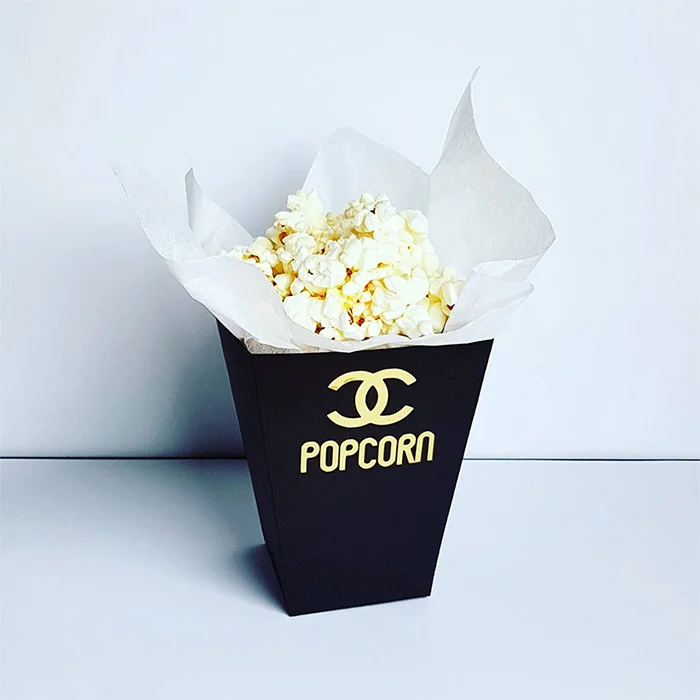
Logos, brand colors, product names, graphics, and other appropriate information can be incorporated into the design.
Instead of filling every panel, the artwork can be organized according to importance. The front can focus on recognition, while side or back panels can accommodate supporting information.
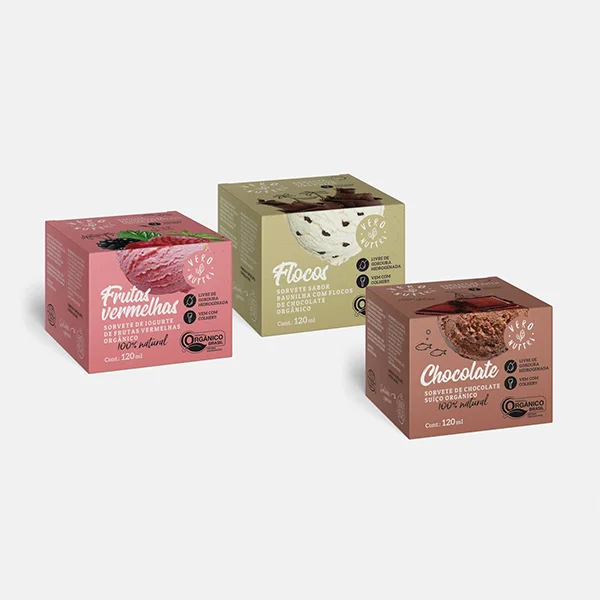
Restaurants, bakeries, cafés, and retail food brands can also maintain the same visual identity across different package styles. A cookie box and a takeaway carton do not need to look identical to clearly belong to the same business.
Choose Materials According to Intended Use
Paperboard, cardboard, Kraft, and corrugated structures can serve different packaging purposes depending on the product and design.
Paperboard provides a smooth printable surface for detailed graphics. Kraft can support a simpler visual direction, while corrugated material may be considered where a stronger structure is required.
For packaging that will directly contact food, material selection should not be based on appearance alone. Businesses should verify that the materials and components are appropriate and authorized for their intended food contact application. FDA guidance explains that certain substances used in food packaging must be authorized for their intended use.
Printing That Makes Products Recognizable
Custom printing can turn Food and Beverage Packaging into a consistent part of your brand presentation. CMYK printing works well for detailed graphics and multi color artwork, while specific color matching can be considered when maintaining established brand colors is important.
Finishing choices depend on the package and its intended use. Rather than adding finishes simply for decoration, they should complement the artwork and packaging requirements.
The final design should also account for folds, cuts, glue areas, and any windows so important graphics or information remain positioned correctly after the box is assembled.
Packaging for Bakery, Takeaway and Retail Products
One advantage of custom packaging is the ability to develop structures for different areas of the food market.
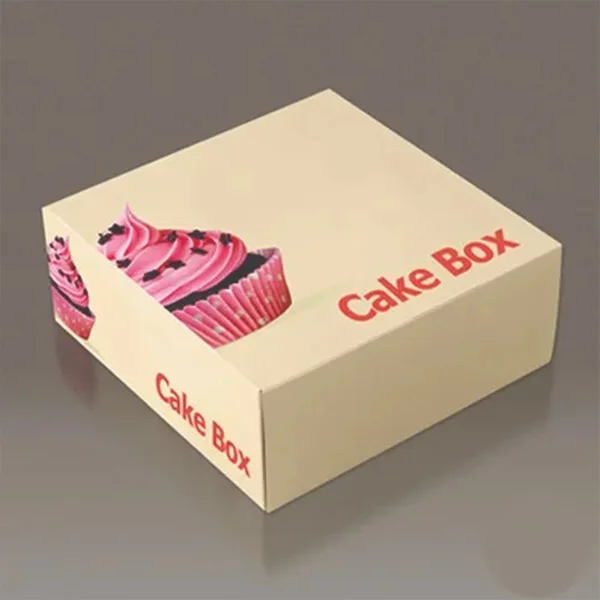
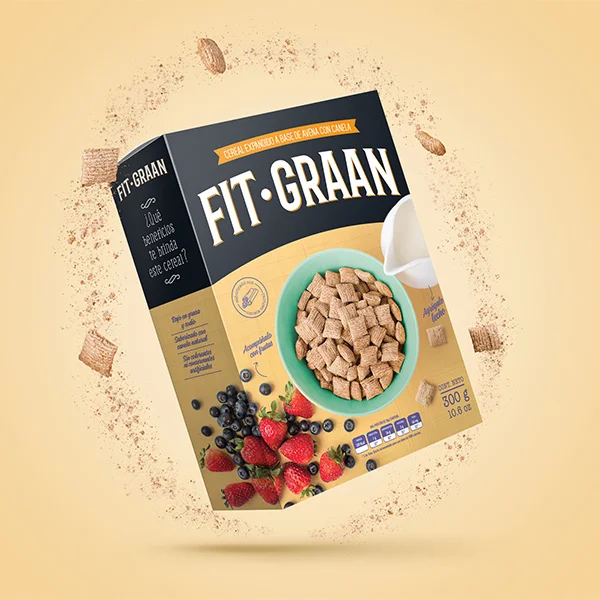
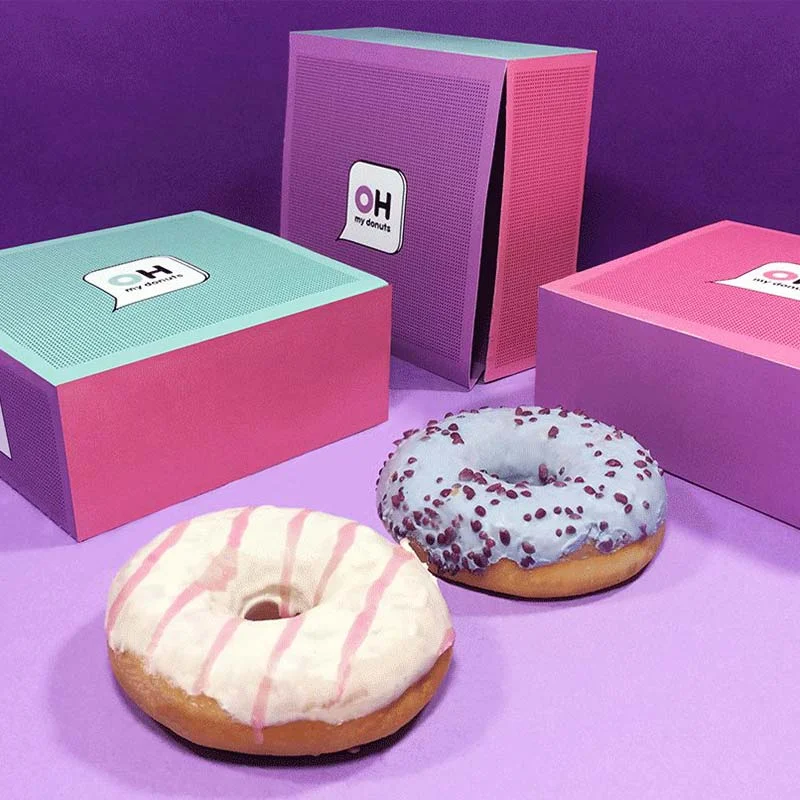
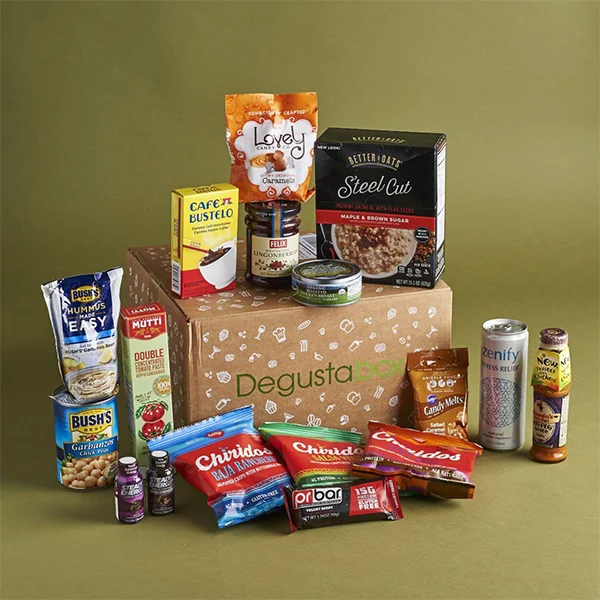
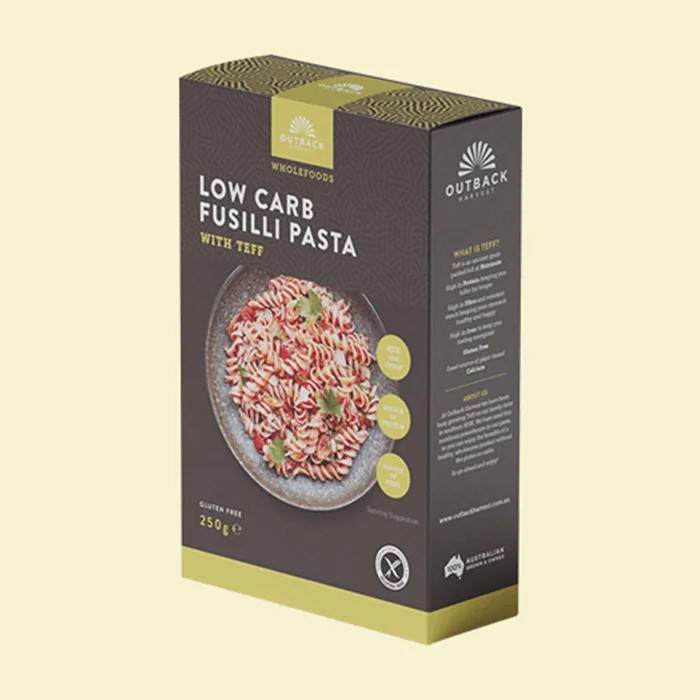
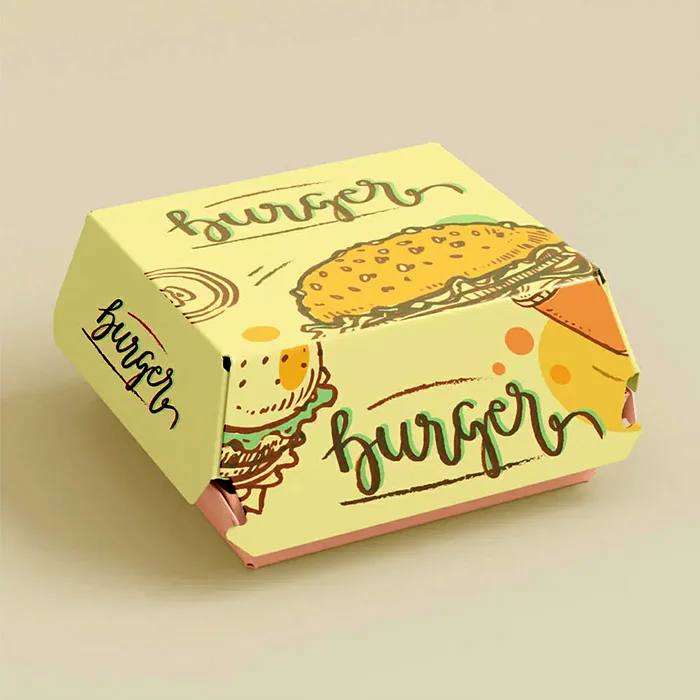
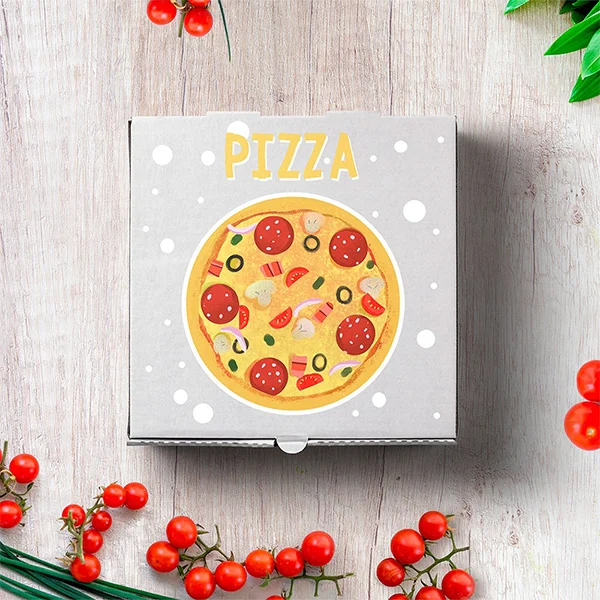
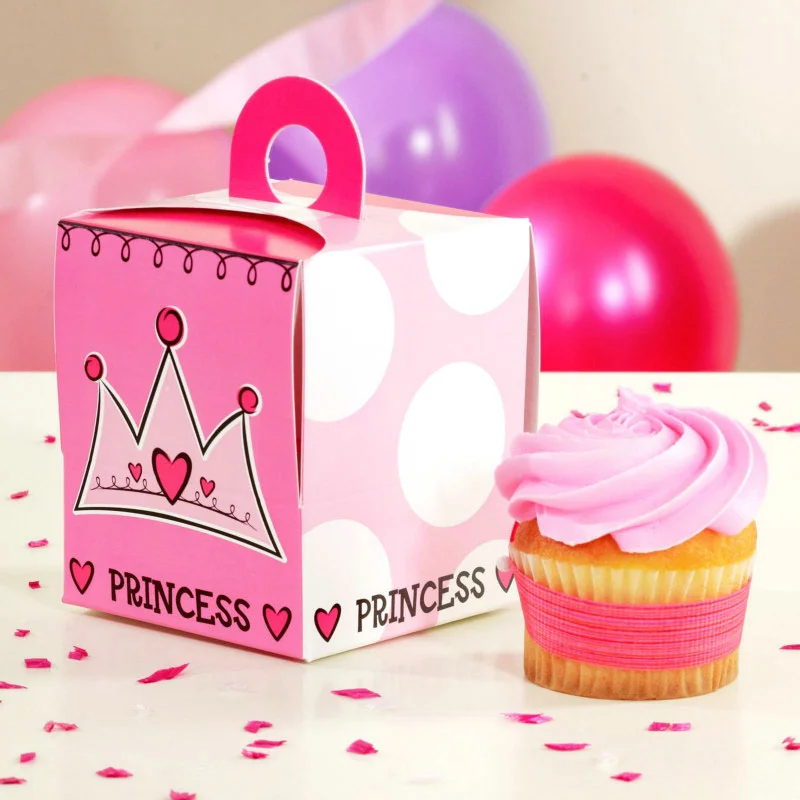
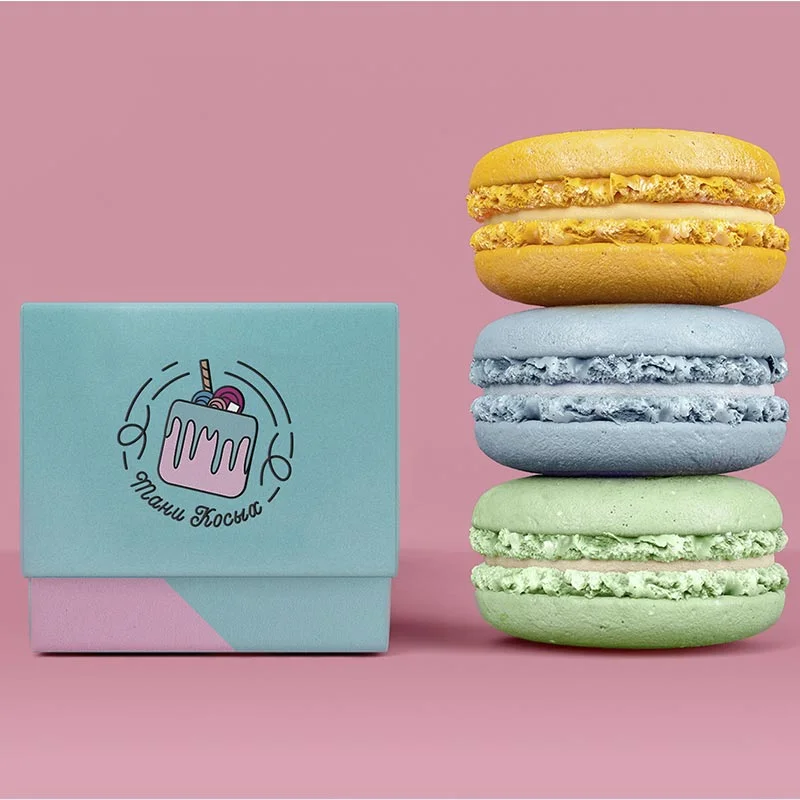
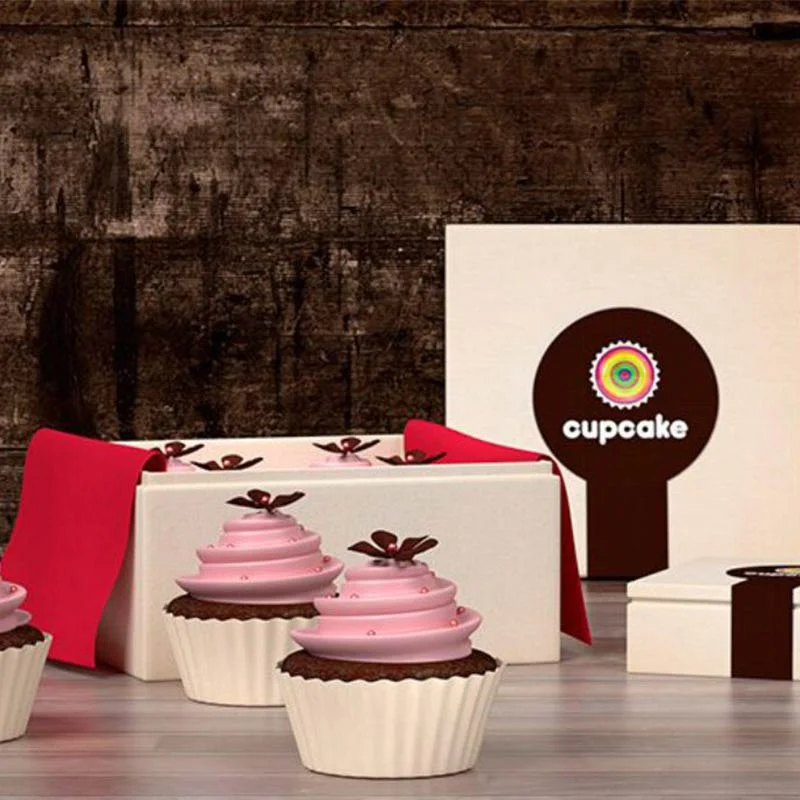
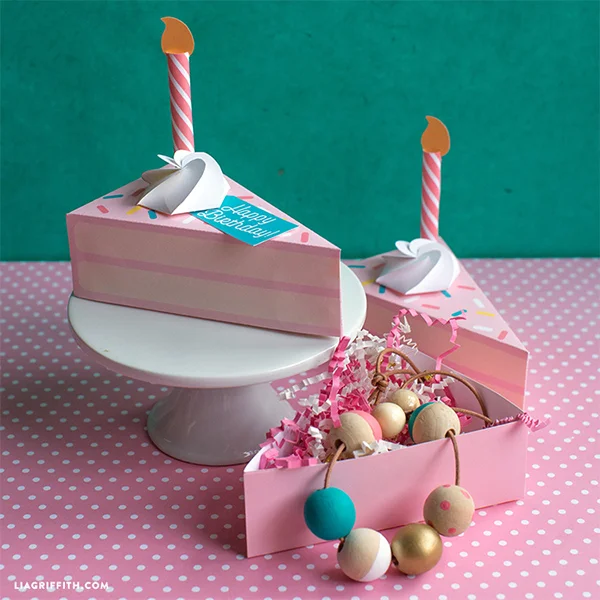
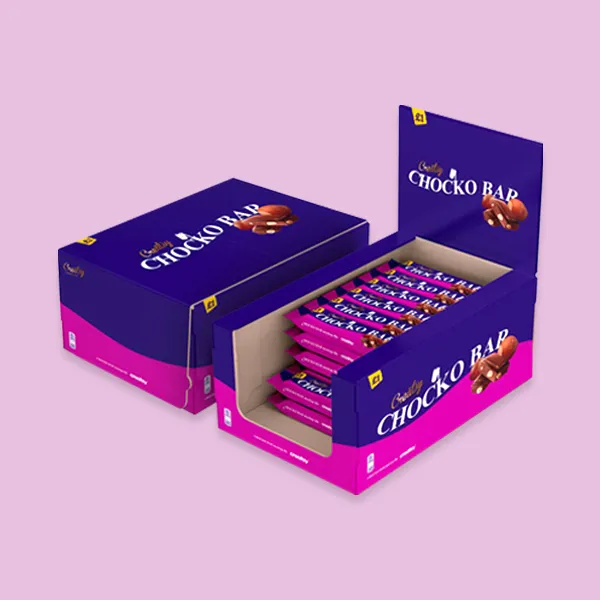
Bakeries may require boxes for cupcakes, donuts, cookies, cakes, and other baked goods. Restaurants can use packaging for burgers, takeaway meals, and related items. Retail brands may require printed cartons for cereals, tea, snacks, and other packaged products.
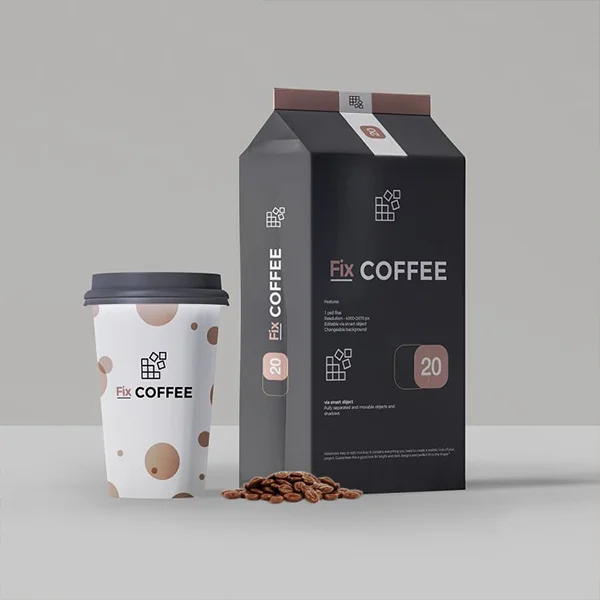
Beverage businesses may also need cartons or carriers developed according to container dimensions and quantity.
This variety makes Food and Beverage Packaging a broad category, so each project should begin with the actual product rather than a generic packaging template.
.
Start Your Packaging Project With the Right Details
Before requesting a quote, prepare the product dimensions, required quantity, box style, artwork, material preference, and any special requirements.
If you are unsure about the final box dimensions, provide accurate product measurements and explain how the item will be packed. This gives the packaging team a better starting point for recommending an appropriate structure.
Now Custom Boxes can create Food and Beverage Packaging according to your product and branding requirements, whether you need packaging for bakery goods, takeaway products, retail foods, or beverage items.