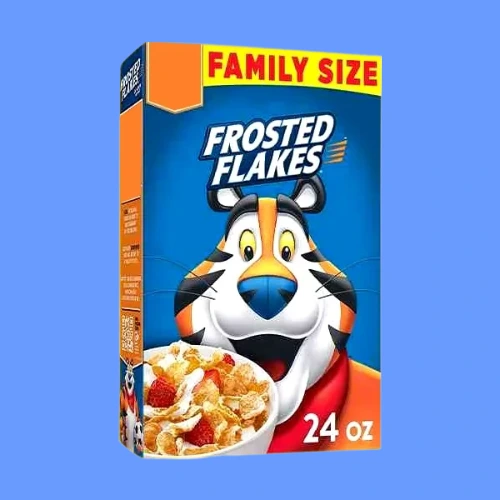

Description
Mini Cereal Boxes for Smaller Portions and Product Trials
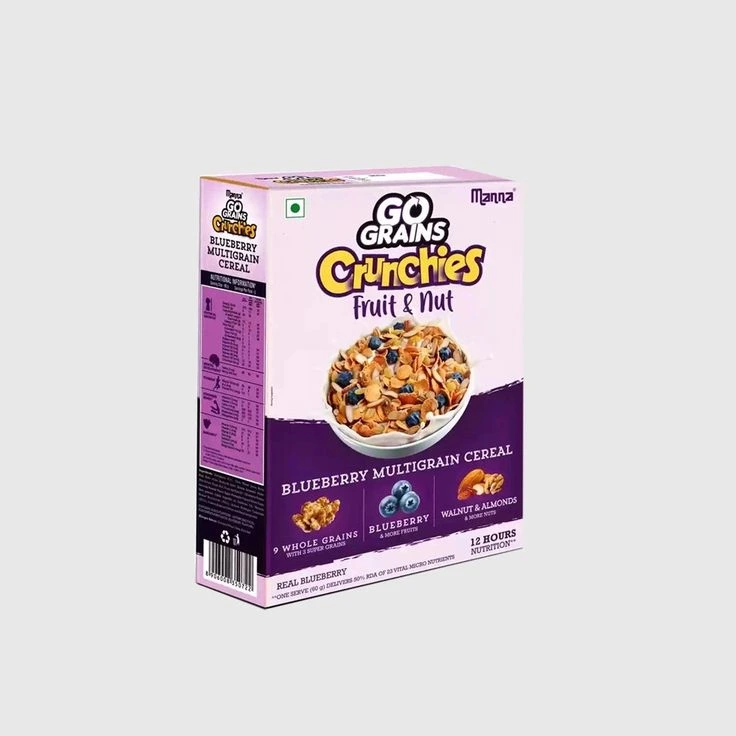
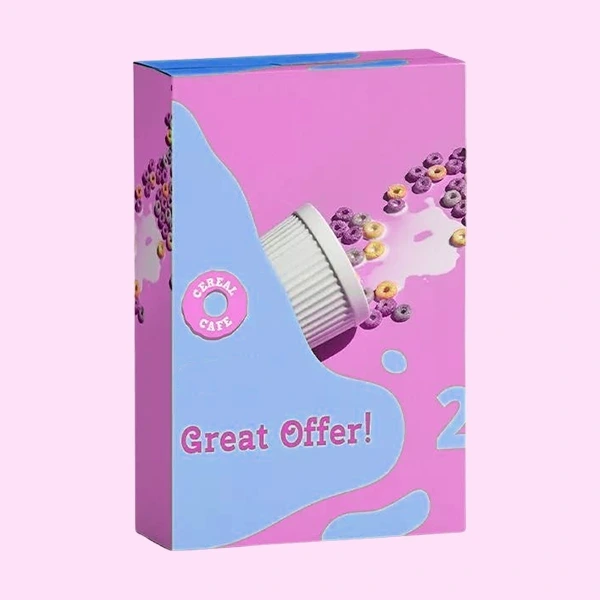
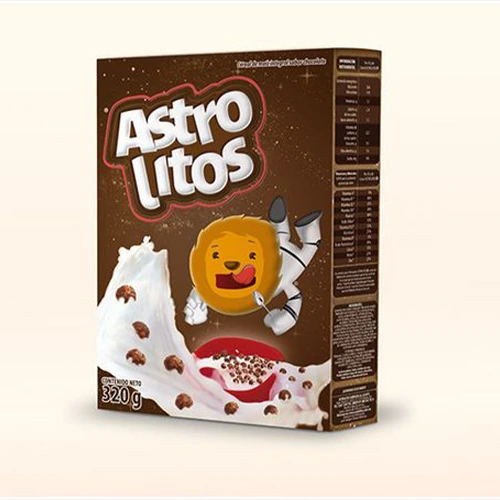
Mini cereal boxes give food brands a compact format for introducing a variety, presenting a breakfast portion, or including cereal in a curated assortment. The carton needs to accommodate the filled inner package while keeping the brand and product information readable.
Now Custom Boxes develops empty custom cartons around your packed dimensions, artwork, and quantity requirements. The box size should follow the actual product rather than simply scaling down a larger retail design.
For a comparison with other pack formats, explore our custom cereal packaging collection.
Size the Carton Around the Filled Pouch
Measure the pouch or liner after it has been filled and sealed. Include the sealed edges, folded top, and the way the contents settle inside the package.
A pouch may become wider at the base or thicker in the middle once filled. The carton needs enough clearance for loading without squeezing the contents or trapping the seal in a closure flap.
Share the maximum packed width, depth, and height. If you already use a carton, provide its internal dimensions and explain whether you need a closer fit, easier loading, or a different shelf presentation.
Cereal Weight Alone Does Not Determine Box Dimensions
Different cereals occupy different volumes at the same weight. Flakes, puffed pieces, and dense granola can require different carton dimensions even when the target net weight is identical.
Start with your intended portion, then measure the filled inner package. Do not select a miniature carton from weight alone or assume another brand’s dimensions will suit your product.
If several varieties will share one box structure, check each filled pouch. The largest packed profile may influence the common carton size, but the fit should remain practical across the range.
Keep the Outer Carton and Food Barrier Roles Clear
The printed carton provides structure, branding, and space for product information. It should not be assumed to replace the inner packaging responsible for the required moisture and oxygen barrier.
Explain whether you need outer cartons only or want to discuss an inner-packaging requirement. Any direct-food-contact materials need to be assessed for the specific application.
For related formats, see our food and beverage packaging range. Confirm the complete packaging specification before making freshness or shelf-life claims.
Plan Small Panels Before Completing the Artwork
A compact carton has limited room for branding and product details. Establish the panel layout early so essential information does not become an afterthought.
The front panel can identify the brand, cereal variety, and pack size. Plan the remaining space around your approved label content and barcode requirements. Keep important text clear of folds, seams, and closure areas.
Mini packaging should have its own artwork layout. Shrinking a full-size cereal box design can make lettering and illustrations difficult to read.
Custom Printing for a Recognizable Miniature Range
Your mini cartons can retain the visual identity of the main cereal range through consistent typography, logo placement, and selected colors. Individual varieties should still be clearly named.
Our custom box printing services can support coordinated artwork across several versions. Discuss CMYK or PMS options according to the selected stock and your color requirements.
Review the design at its actual printed size. Check fine lettering, color contrast, and scannable elements on the assembled carton before approval.
Create Mixed-Flavor Assortments Without Confusing Quantities
A variety program may use one carton structure with several printed designs. Provide the number of boxes required for each flavor rather than only the combined order total.
For example, a project needing three artwork versions should identify the quantity for each version and confirm whether their filled pouches share suitable dimensions.
If the mini cartons will be packed into a larger assortment box, specify the number per set and their arrangement. The outer collection packaging should be planned separately from the individual cereal carton.
Choose Stock and Closures for Your Packing Method
The board and closure should suit the carton dimensions, filled-pouch weight, and assembly process. A compact box still needs to load and close without putting pressure on the inner seal.
Tell us whether packing will be performed by hand or on equipment. If machinery is involved, provide the required structural and dimensional specifications before the dieline is finalized.
Confirm the selected stock, thickness, and closure in the quote. Avoid relying on a generic material range that does not identify what will actually be produced.
Packaging for Breakfast Programs and Sampling Campaigns
Hospitality breakfast programs may need cartons that are easy to arrange, identify, and replenish. Product trials may prioritize clear flavor identification and a compact format that fits within a larger promotional pack.
Explain how the carton will reach the consumer: displayed individually, included in an assortment, or packed inside another delivery box. This affects the structure and artwork brief.
If several mini cartons will sit together in a branded tray, explore our cardboard display boxes to review unit count and retail arrangement.
Confirm the Intended Opening and Use
Explain how customers are expected to access the cereal and inner package. The carton closure should support that sequence without making removal unnecessarily difficult.
An ordinary mini cereal carton should not be advertised as a bowl or as suitable for adding milk directly. That application requires a separately specified construction and supporting suitability information.
Keep the presentation and use instructions accurate to the package being supplied rather than borrowing features from another cereal format.
Review Samples with Actual Filled Packs
A digital proof helps you check text, artwork placement, and panel layout. A physical sample helps assess loading clearance, closure behavior, and the fit of the sealed pouch.
Use an actual filled pack during the review. Check that the pouch can be inserted without force and that its sealed edges do not interfere with the carton flaps.
If the mini cartons will travel in a larger case, evaluate that arrangement too. The individual retail carton should not be assumed to provide complete shipping protection.
Order Mini Cereal Boxes by Size and Artwork Version
Send your filled-pouch measurements, target portion weight, quantity by design, and artwork to Now Custom Boxes. Include your preferred carton dimensions, packing method, and US delivery ZIP code.
If you are developing a variety pack, provide the number of flavors and cartons per assortment. State whether the request covers printed outer cartons only or includes another packaging requirement.
Contact quote@nowcustomboxes.com to request pricing and discuss proof or physical sample options.
Frequently Asked Questions About Mini Cereal Boxes
Do these boxes come filled with cereal?
No. This page is for custom empty packaging. Your business supplies and packs the cereal.
What size should a mini cereal box be?
The dimensions should follow your filled and sealed inner package. Provide its maximum width, depth, and height rather than selecting the carton from cereal weight alone.
Can several flavors share one carton size?
Yes, if their filled pouches fit the proposed structure. Check each variety and provide separate artwork and quantities.
Does the carton replace the sealed inner bag?
Do not assume that it does. Confirm the food-contact and barrier requirements for your product before choosing the complete packaging arrangement.
Can I add milk directly to the box?
An ordinary carton should not be used this way unless that application has been specifically designed and verified.
Can the boxes be produced for machine packing?
Provide your equipment and structural requirements during quoting. Suitability needs to be confirmed against those specifications.
What is the minimum order quantity?
The current page lists a minimum of 50 boxes. Confirm the minimum for your chosen structure and number of artwork versions.
Can I request a sample?
Physical sampling is listed as available on request. Confirm the sample specification, cost, and timing, then test it with your actual filled pouch.


Reviews
There are no reviews yet.