Description
.
Chocolate Bar Boxes Made Around the Finished Bar
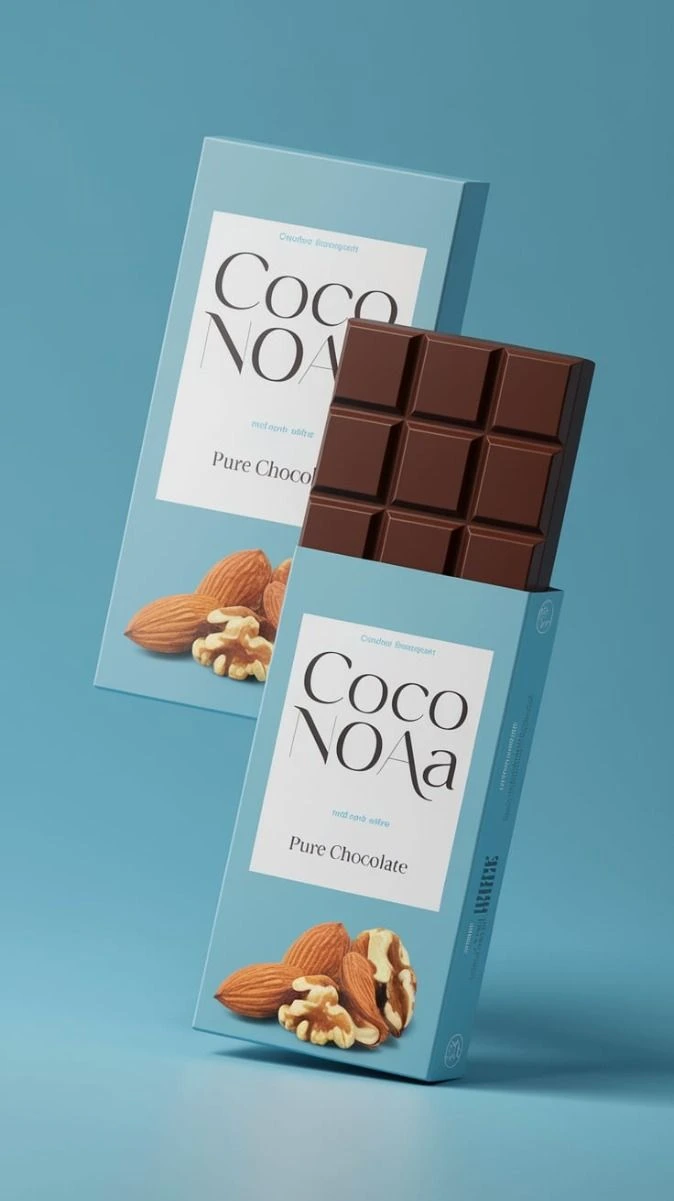
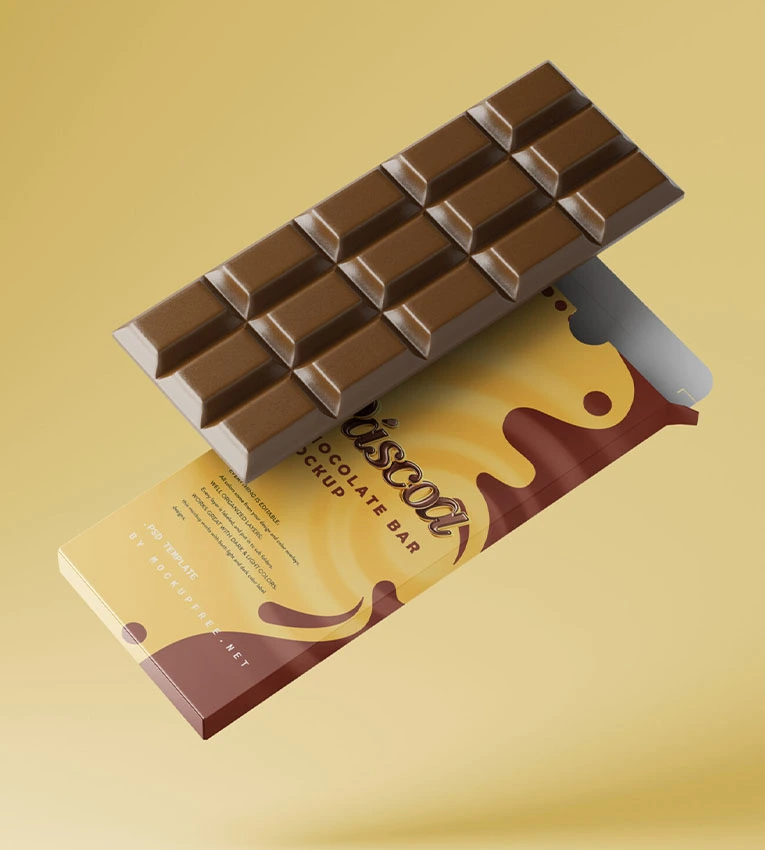
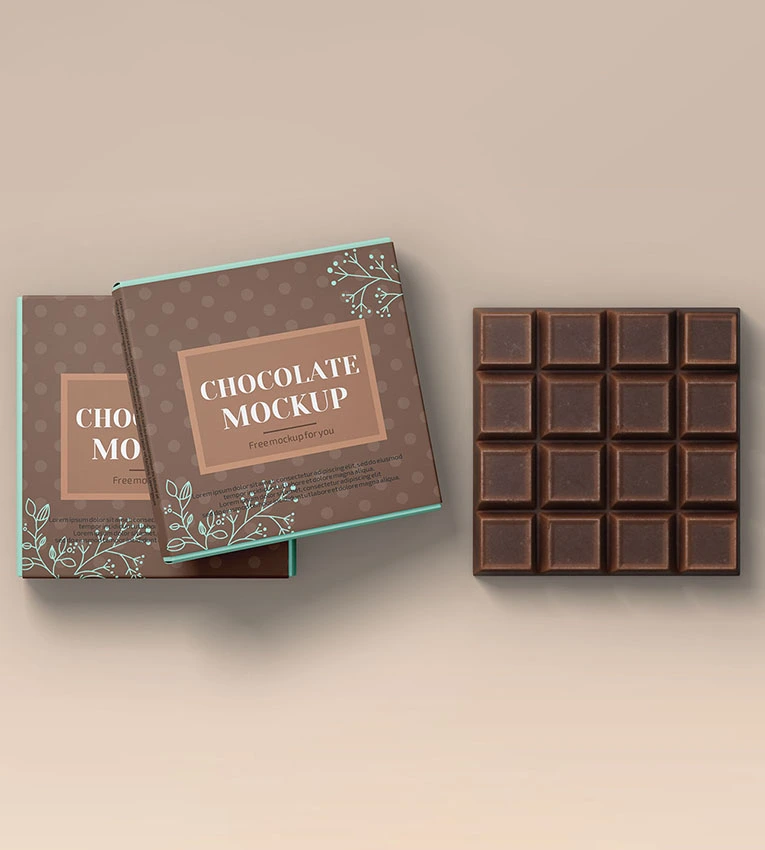
Chocolate bar boxes work best when their dimensions follow the finished product rather than a generic carton size. A slim dark chocolate tablet, thick filled bar, nut-covered slab, and miniature tasting bar can all require different depth and clearance.
The most useful starting point is the size of the wrapped bar. Send its length, width, and thickness rather than only the dimensions of the chocolate itself. This allows Now Custom Boxes to develop the dieline around the product as it will actually be packed.
Competitors serving this category also build packaging around finished wrapped-bar measurements instead of forcing different products into standard dimensions.
Choose a Format That Matches How You Sell
A traditional folding carton is not the only option for a chocolate bar. The right construction depends on how much coverage, branding space, and opening experience you want.
Straight or reverse tuck cartons provide multiple printable panels and work well for conventional retail bars. A printed sleeve can slide over an already wrapped bar and is useful when you want to add branded outer packaging without creating a complicated structure.
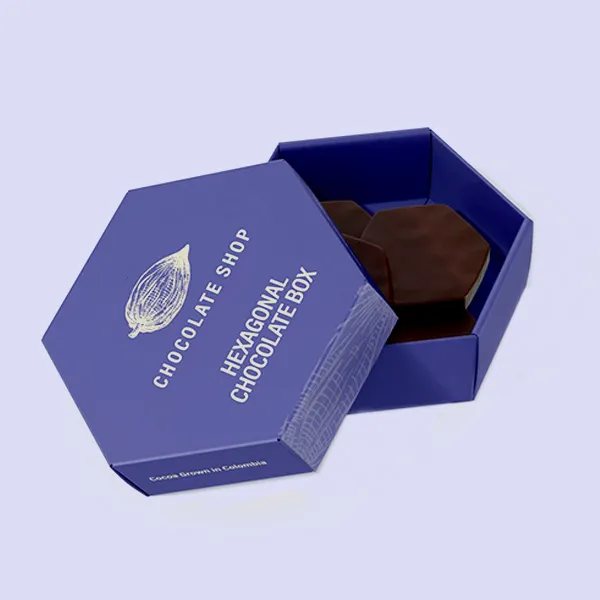
Drawer-style constructions can be considered for specialty collections where the opening experience is more important. These formats are also commonly offered across the current chocolate-bar packaging market.
Give Every Flavor Its Own Identity
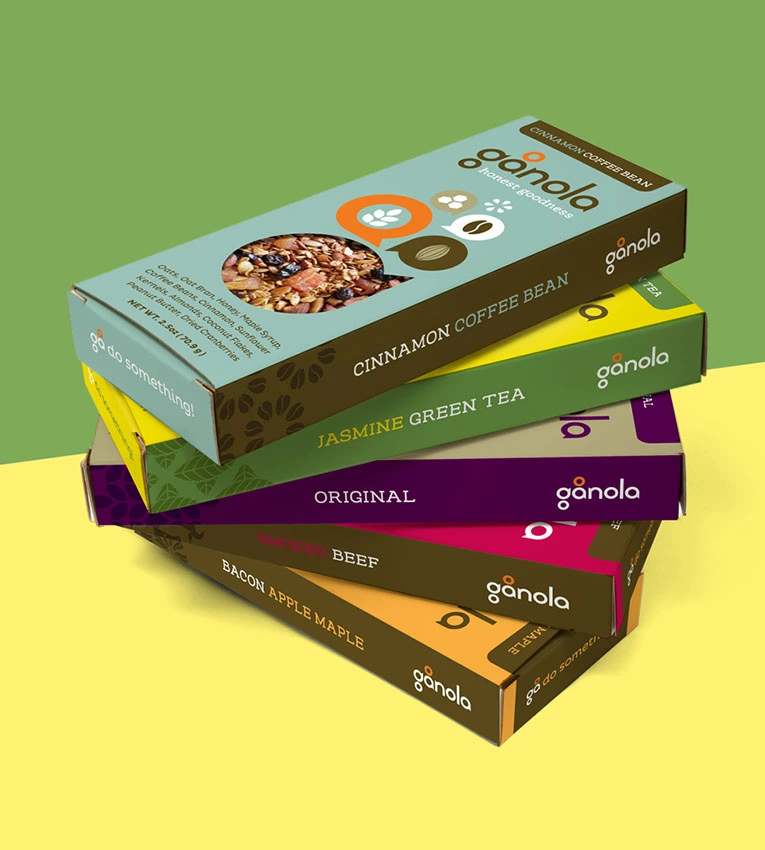
Chocolate makers frequently sell several recipes using the same bar dimensions. Instead of redesigning the complete package for every SKU, the structure can remain consistent while selected visual elements change.
For example, dark chocolate, milk chocolate, sea salt, almond, caramel, or fruit varieties can each use a distinct accent, illustration, or flavor panel.
Cocoa percentages can also become a prominent design element for ranges containing different cacao levels. This makes individual products easier to distinguish while maintaining a recognizable family appearance across the shelf.
Use Every Panel More Effectively
The narrow rectangular shape of a chocolate bar gives brands several useful printing surfaces. The front can concentrate on product recognition, while the back and side panels provide room for information supplied by your brand.
Artwork may accommodate ingredients, allergen statements, net quantity, nutrition information, barcodes, QR codes, batch areas, or other required content where applicable. Competitor research shows these information areas being treated as an important part of bar-specific packaging.
The final regulatory information and artwork should always be supplied and approved by the responsible food business before printing.
Brands preparing labels for packaged chocolate products can review the FDA food labeling resources for information about U.S. food labeling requirements.
Take the Brand Story Inside the Box
Not every message has to compete for space on the front panel. Interior printing can turn otherwise unused surfaces into additional communication space.
An artisan chocolatier might print tasting notes, cacao origin information, serving suggestions, or a short brand story inside the carton or sleeve. A QR code can also direct customers toward additional product information without overcrowding the exterior.
This approach is particularly suitable for bean-to-bar products where origin and flavor characteristics form part of the buying experience. Interior printing and tasting information are also being used in specialist chocolate bar packaging.
Build Multipacks and Tasting Collections
Brands selling several varieties can package multiple bars together rather than treating every product as an individual unit.
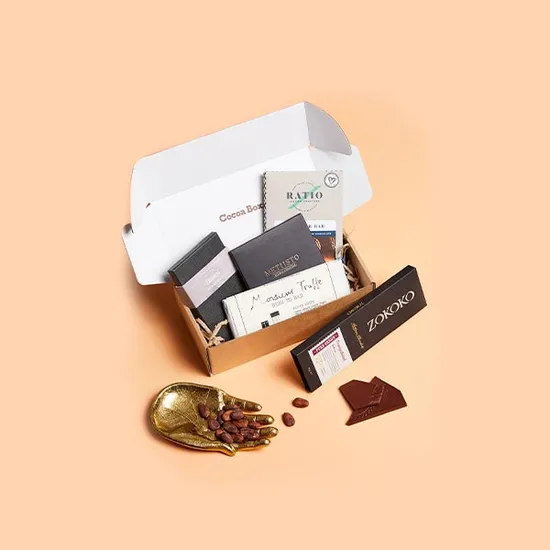
Bars can be arranged side-by-side, stacked, or separated depending on their dimensions and the intended box construction. A tasting collection could contain several mini bars with different cocoa percentages or origins, while another pack might combine the brand’s best-selling flavors.
Printed identifiers or divided sections can help customers understand the assortment as soon as the package opens.
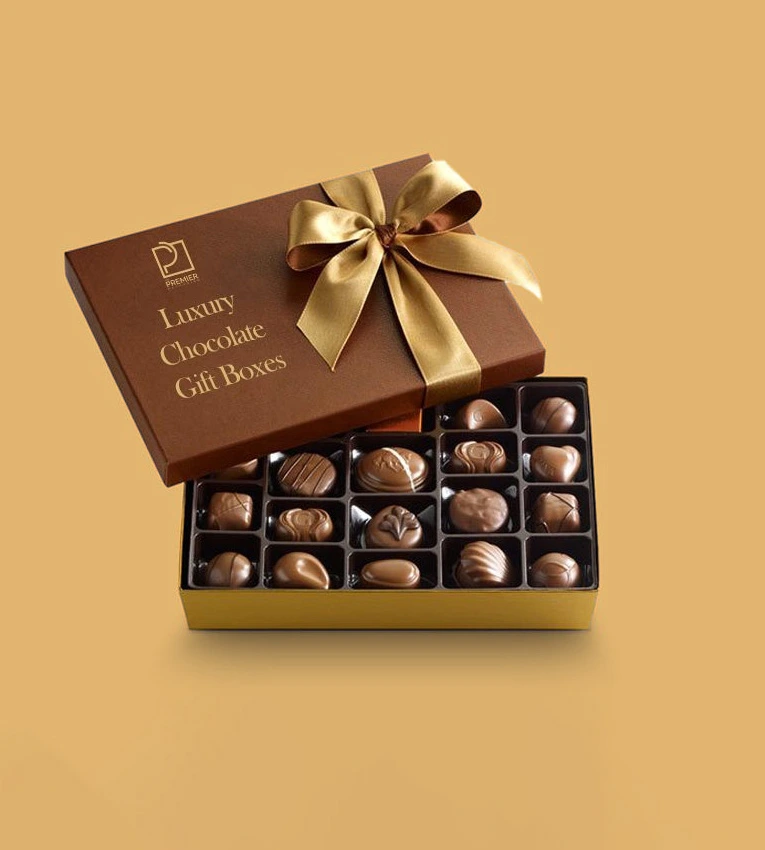
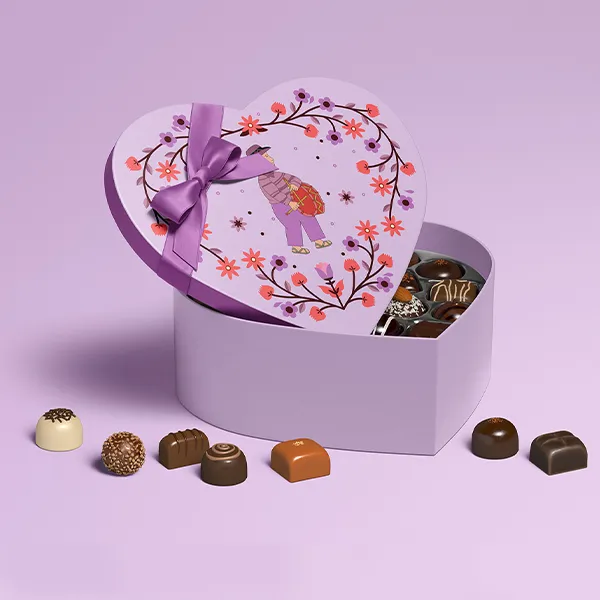
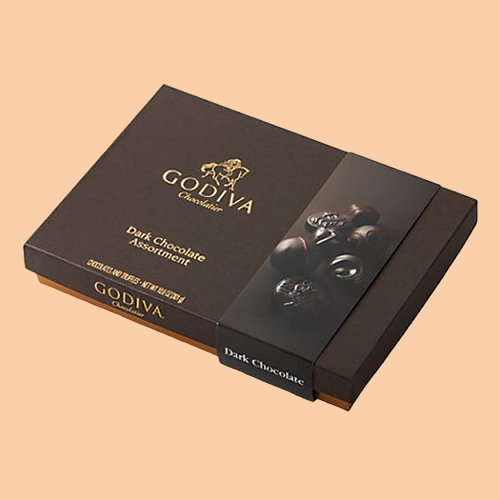
Brands creating assorted confectionery ranges can also explore our Chocolate Candy Boxes for packaging smaller chocolate pieces and mixed candy collections.
Add a Window Only When It Has a Purpose
A die-cut window can reveal part of the wrapped product or selected design details without opening the carton. Windows can be rectangular or customized around the intended visual area.
However, a window should not automatically be added to every design. If the wrapper already contains strong artwork, a clean printed carton may provide a more controlled appearance.
Window packaging is nevertheless a well-established option in this category when product visibility supports the design concept.
Use Finishes to Highlight Specific Details
Foil stamping, embossing, debossing, Spot UV, matte, gloss, and soft-touch treatments can be used selectively according to the artwork and material.
Rather than covering the entire package with effects, consider highlighting a logo, cacao percentage, collection name, or another recognizable element. Current specialist suppliers similarly position foil and embossing as targeted enhancements for chocolate-bar branding.
Order Chocolate Bar Packaging for Your Product
Send Now Custom Boxes the dimensions of your finished wrapped bar, required quantity, preferred structure, artwork, printing requirements, and finishing preferences. If you need several flavors or a multipack, include the number and arrangement of bars as well.




Reviews
There are no reviews yet.